The Future of Employee Assistance Programs (EAP) in Australia
Many employees never use EAP services despite growing workplace stress. Explore why traditional EAP models are falling short and what the future of Employee Assistance Programs in Australia requires.

Employee Assistance Programs were created to support people at work. Yet across Australia, many employees never use them, and many employers are left wondering why.
EAP has become a standard inclusion in workplace wellbeing budgets, usually offered with good intent. But intent alone does not create trust, safety, or meaningful change. If we want healthier workplaces and earlier access to support, we need to ask a more honest question: what does the future of EAP in Australia actually require?
Why Many EAPs Are No Longer Meeting the Moment
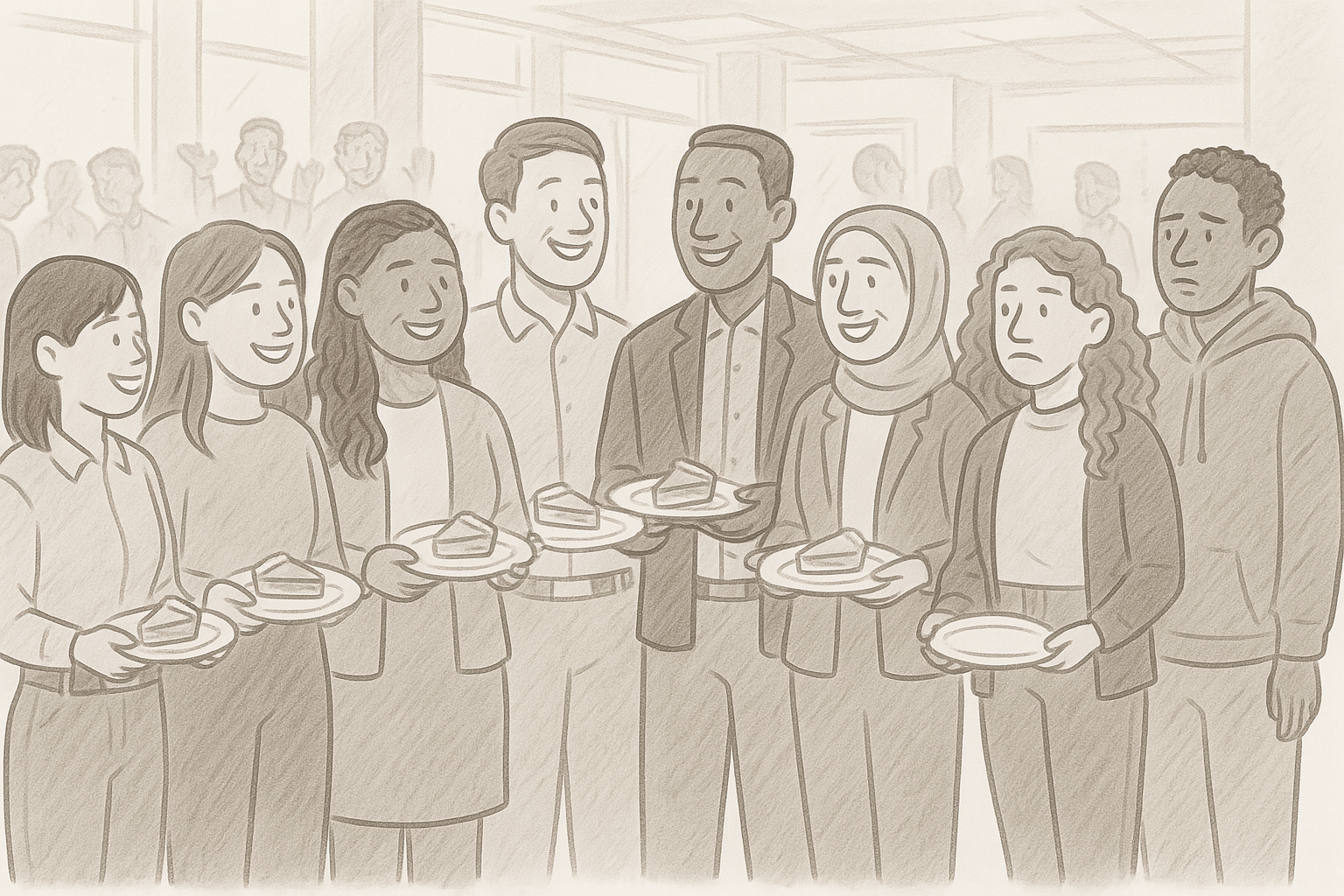
Evidence consistently shows that many employees hesitate before accessing EAP. People often wait until they are at crisis point, feel unsure about confidentiality, are unclear about what EAP is for, or worry about how accessing support may be perceived at work.
This hesitation is not a failure of individuals. It is a signal about the system itself. Without trust and clarity, support remains underused, no matter how widely it is promoted.
The Limits of a Reactive Model
Most traditional EAP models are designed to respond after something has already gone wrong. Sessions are brief, context is limited, and support is often disconnected from the everyday realities of work, even though that is where much of the pressure exists.
International comparisons with the UK and the US reflect similar patterns. Despite significant investment, utilisation remains low and outcomes are mixed. This does not mean EAP has no value. It means the model itself has not kept pace with the complexity of modern workplaces.
Access Matters More Than Availability
Many organisations can say they offer EAP. A more important question is whether people feel able to use it. Availability alone does not equal access.
When support feels distant, clinical, or disconnected from real life, people disengage. When it feels human, relevant, and grounded in trust, access changes. Not because people are pushed, but because they feel safe enough to step forward.
What the Future of EAP in Australia Requires
The future of EAP is not about offering more sessions, faster triage, or better promotion. It belongs to organisations willing to practise wellbeing as a way of working, not just a policy on paper.
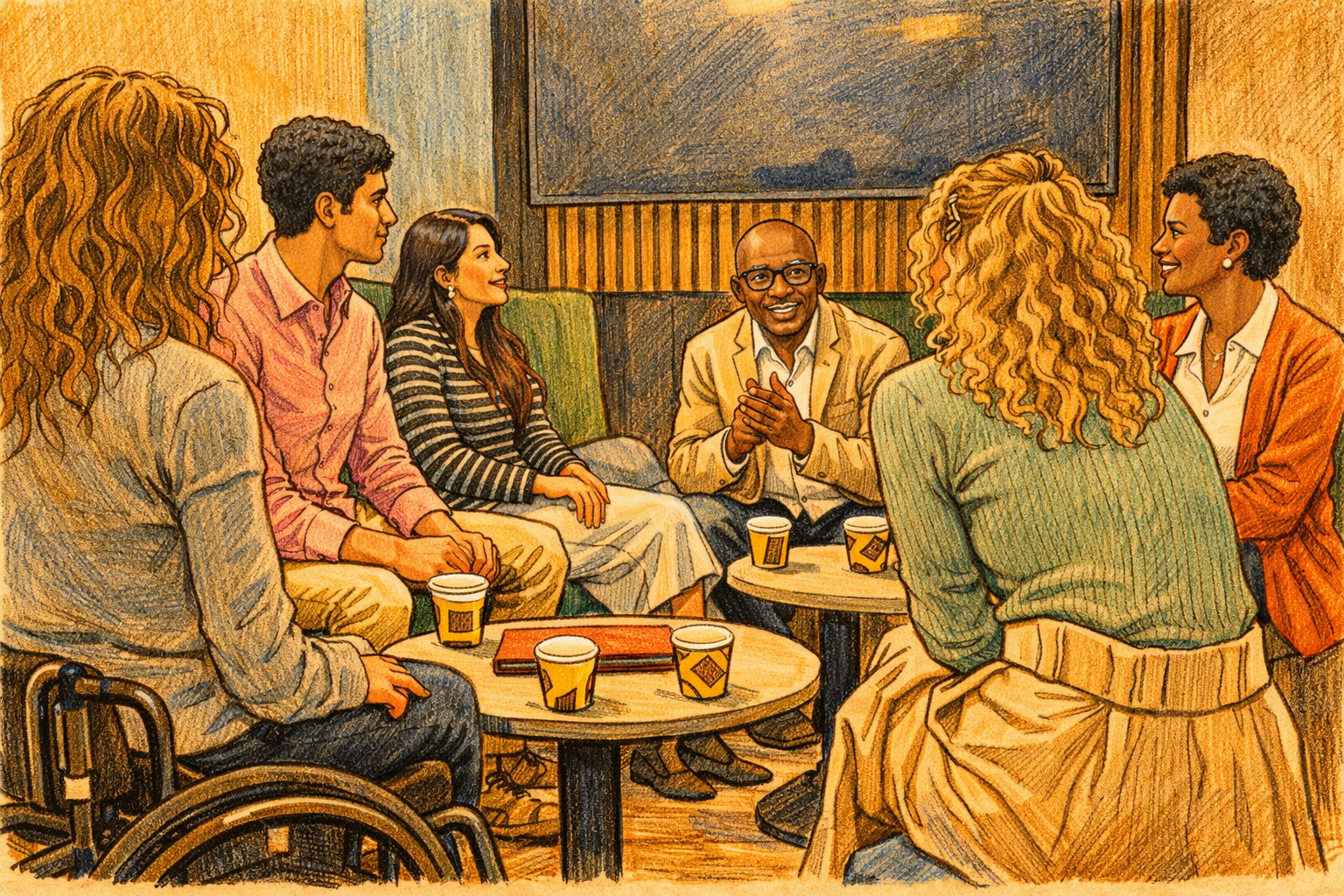
When leaders model care, when teams are given space to reflect and learn, and when people are supported both individually and collectively, wellbeing becomes embedded in workplace culture. Over time, this creates safer, steadier environments where people can grow and contribute sustainably.
Leading the Way Forward
At Shemewé Collective, we believe EAP can be more than a last resort. Through our We Belong EAP, we focus on relational, culturally safe, and preventative approaches that people trust and actually use.
For organisations ready to think differently, the future of EAP is already taking shape. If this resonates, connect with us via our contact page to explore what this could look like for your workplace.